PG STUDIOS
Arabic Media

The dialect problem in Arabic content — and how production solves it

Gulf, Levantine, Egyptian, MSA: dialect-aware production and dubbing decide whether Arabic content works across the region.
Arabic Media
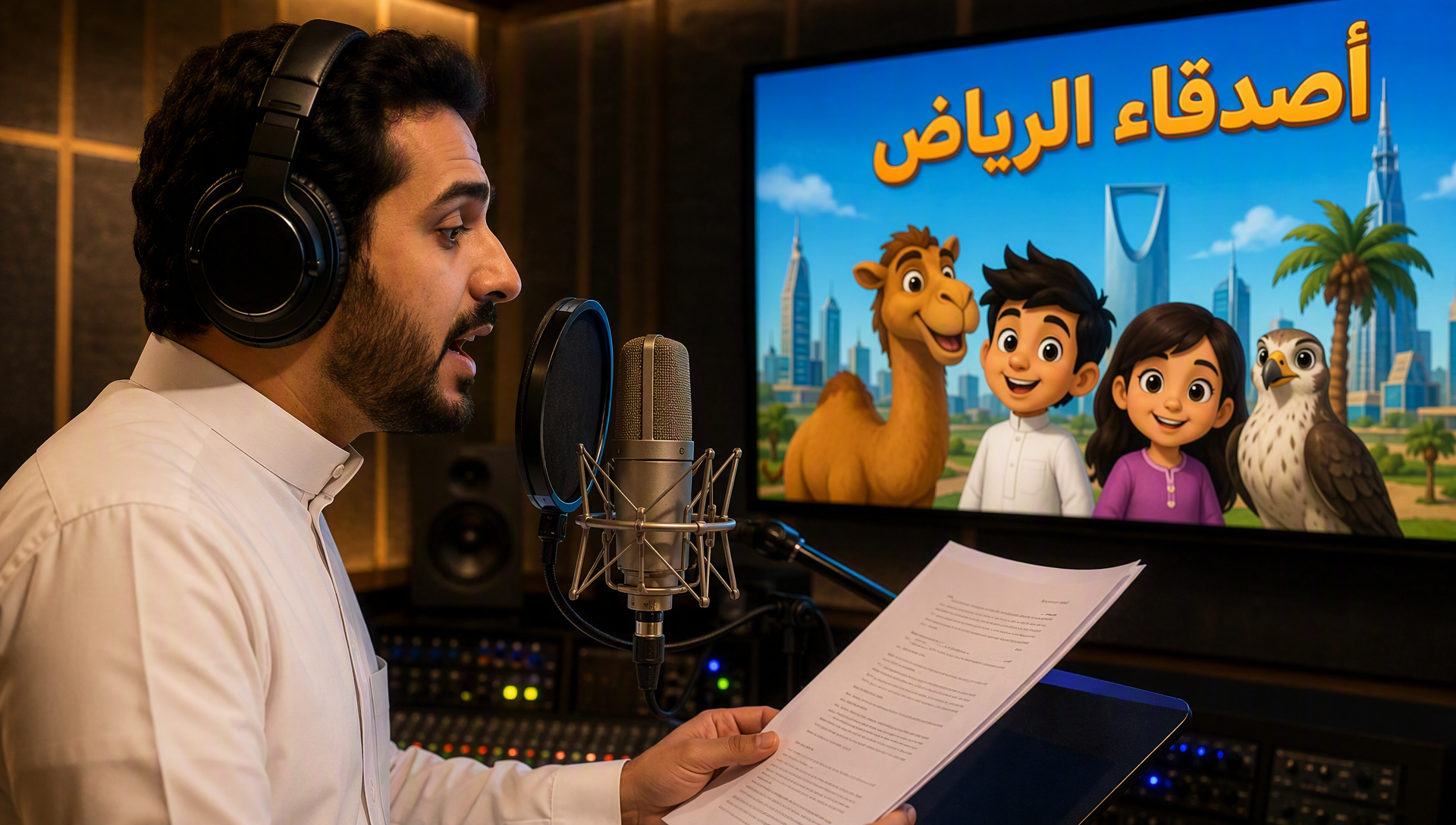
Arabic content succeeds when production choices respect audience, dialect, context, and platform. Dialect-aware writing, casting, dubbing, localization, and editorial review help content travel across markets without losing clarity, tone, or cultural relevance. Arabic is a language—and many audiences Arabic connects hundreds of millions of people, but it is not experienced in exactly the same way across the region. Gulf, Levantine, Egyptian, Maghrebi, and other regional varieties differ in vocabulary, pronunciation, rhythm, humour, and social meaning. Even within the Gulf, audiences may recognize clear differences between Saudi, Emirati, Kuwaiti, Bahraini, Qatari, and Omani speech. Modern Standard Arabic provides a shared formal register, but it does not suit every story or platform. A documentary, government campaign, children’s series, comedy, and mobile-first advertisement may each require a different linguistic approach. The question is not simply, “Should this be in Arabic?” It is, “Which Arabic feels right for this audience and purpose?” Dialect is a creative decision Dialect should be defined during development, not added at the end. The intended market, character backgrounds, age group, platform, and emotional tone all influence the right language choice. A regional campaign may benefit from accessible Modern Standard Arabic, while a character-driven series may need a specific dialect to feel believable. Some productions use a controlled regional variety: recognizable enough to feel local, but clear enough to travel. Others produce separate versions for different markets. There is no universal answer. The right decision comes from understanding where the content will appear, who will experience it, and how closely the language should reflect everyday speech. Writing and performance must develop together A script can be grammatically correct and still sound unnatural when performed. Spoken Arabic relies on rhythm, emphasis, expression, and cultural familiarity. Literal translations often preserve the original meaning while losing humour, personality, or emotional impact. For this reason, Arabic adaptation should involve writers, directors, and performers who understand the target audience. They can reshape phrases, adjust references, and select expressions that communicate the original intention naturally. The objective is not word-for-word equivalence. It is to create the same response in the audience. Dubbing is more than translation Effective dubbing combines language, acting, timing, and sound production. The translated dialogue must fit the duration and movement of the original performance while remaining natural to the actor. A sentence that reads well may become too long, too formal, or emotionally flat when recorded. Dialect-aware dubbing therefore requires collaboration between translators, dialogue adapters, voice directors, actors, editors, and sound engineers. Casting is equally important. The voice must suit the character’s age, personality, background, and emotional range—not merely speak the correct dialect. Strong direction then ensures that performances remain consistent across scenes and episodes. Cultural context lives beyond the dialogue Localization includes much more than spoken language. Names, gestures, clothing, environments, humour, music, social relationships, and visual symbols can all carry different meanings across markets. On-screen text may also require changes to layout, pacing, and animation to accommodate right-to-left reading. These details influence whether content feels culturally grounded or superficially adapted. Regional creative review should therefore examine the complete production: scripts, visuals, performances, graphics, subtitles, music, and marketing materials. Language accuracy is essential, but cultural relevance is the larger goal. Build localization into the production pipeline Content travels more effectively when localization is planned before delivery. Productions designed for multiple Arabic markets can prepare: • Separate dialogue, music, and effects tracks • Editable Arabic titles and on-screen graphics • Clean visual plates without embedded text • Timed scripts, subtitles, and pronunciation guides • Character and terminology references • Market-specific casting and adaptation notes • Organized versions for each platform and territory This structure makes it easier to create new language or dialect versions without rebuilding the production. It also protects consistency. Character names, recurring expressions, pronunciation, and tone can remain aligned across episodes, campaigns, and markets. Technology can assist, but local judgment leads AI tools can support transcription, translation, voice matching, synchronization, versioning, and quality checks. These capabilities can accelerate parts of the process, particularly for large content libraries or multi-market campaigns. However, automated systems may miss irony, emotional subtext, regional sensitivities, or the difference between technically correct Arabic and language people actually use. Human review remains essential. Native writers, performers, directors, and cultural consultants provide the judgment required to decide whether a line feels authentic—not merely accurate. Content should feel created for the audience The strongest Arabic productions do not treat dialect as a technical problem to solve after the creative work is finished. They treat language as part of character, identity, storytelling, and audience connection from the beginning. When writing, casting, dubbing, visual adaptation, and regional review work together, content can travel across the Arab world without becoming generic. It remains clear enough to reach new audiences and specific enough to feel genuinely made for them.

Let’s build the next generation of visual media.